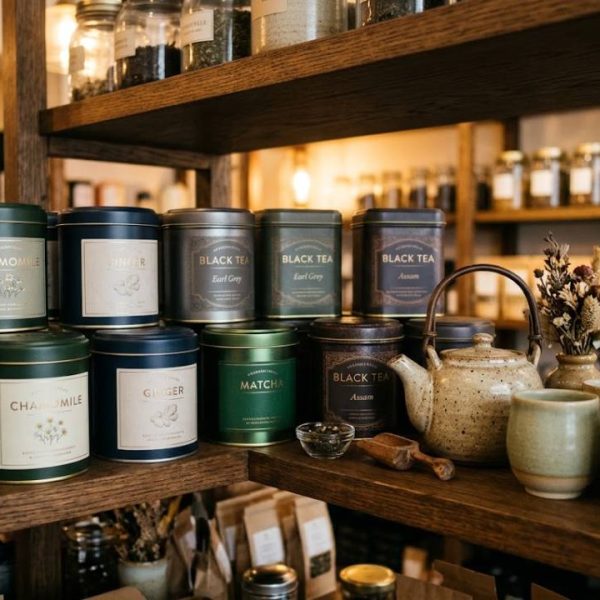
Walk into a good tea shop and the shelves can feel overwhelming. Chamomile, ginger, matcha, black blends, single estates and seasonal harvests all compete for your attention, and the prices vary widely. How do you tell a tea that is genuinely worth paying more for?
The answer lies in a handful of simple checks that any buyer can learn. This guide walks through them, one cup at a time.
Start with the leaf, not the label
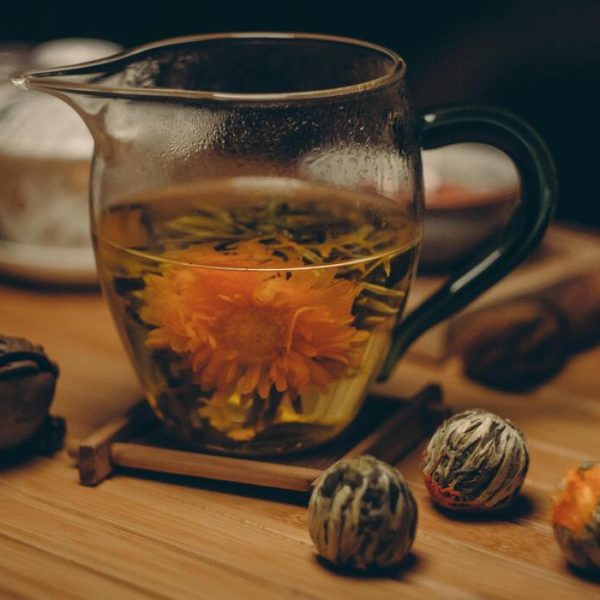
Premium loose leaf tea looks different from a standard tea bag. The leaves are mostly whole or in large pieces, with an even colour and a clean, fresh aroma.
If the tea is mostly dust and tiny fragments, the flavour will be flat and bitter, whatever the packaging promises. Ask to smell the tea before you buy, and notice whether the scent is lively or stale.
Good black tea smells malty and slightly sweet. Good chamomile smells like dried apple and honey. Anything musty or dull is a warning sign.
Match the tea to the moment
Different teas suit different parts of the day. Black tea gives a strong, steady start in the morning. Matcha brings a calm, focused energy for work or study.
Ginger tea is a warming choice on cold afternoons and pairs well with a squeeze of lemon. Chamomile is the classic evening cup, gentle and caffeine free.
Buying with a purpose helps you avoid shelves full of tins you never open. Start with one tea for each moment of your day.
Check freshness and origin
Tea is an agricultural product, and freshness matters. Look for a harvest or packing date, and choose shops that rotate stock quickly.
Origin tells you even more. A tea that names its region, estate or farm is usually easier to trace and often better made than an anonymous blend.
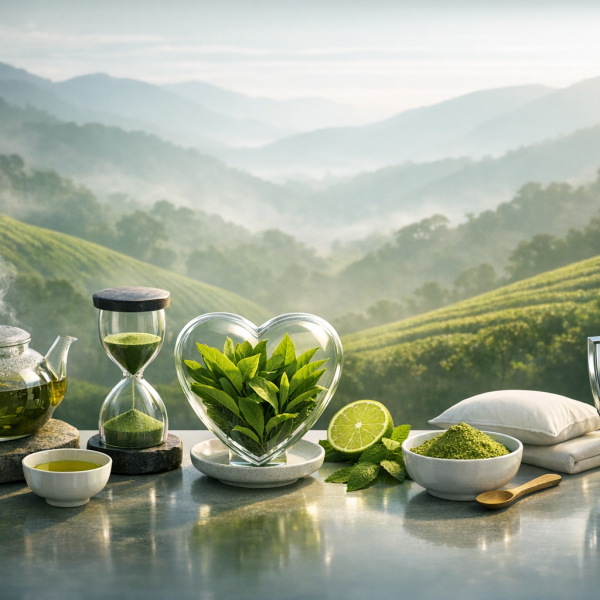
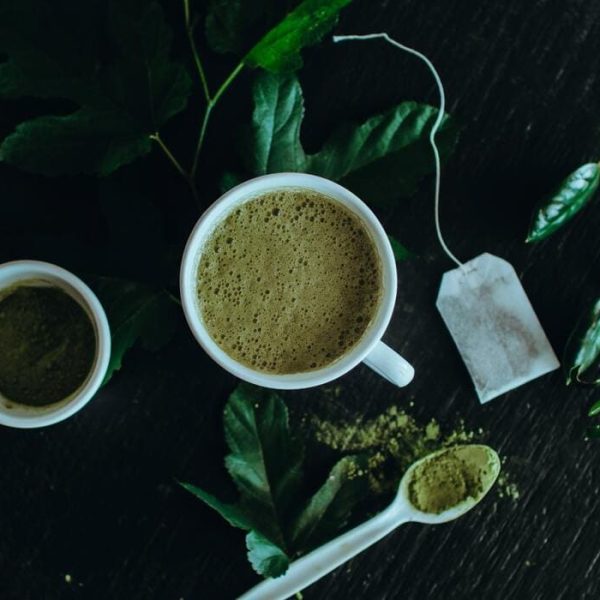
For matcha, check the colour. A vivid green points to shade-grown leaves and careful grinding, while a yellowish or brown powder suggests an older or lower grade product.
Read the label carefully
A good label lists the type of tea, the origin, the ingredients and the best-before date. For herbal and flavoured teas, it should name every botanical and any added flavouring.
Imported teas often carry labels in several languages, and accuracy is essential for allergens and brewing instructions. Food regulators such as the Food Safety Authority of Ireland set out the rules that sellers must follow when describing products to customers.
Shops that sell across borders also need their packaging to read naturally in each market. Specialist German translation services can help a tea brand adapt labels, brewing guides and product pages for German-speaking buyers without awkward wording.
Brew it properly
Even the best tea disappoints when brewed badly. Water temperature and time are the two biggest factors.
Black tea likes water just off the boil and about three to four minutes. Ginger and chamomile are forgiving and can steep for five minutes or more. Matcha needs cooler water, around eighty degrees, whisked until frothy.
Use water that tastes good on its own. Heavily chlorinated tap water can flatten delicate flavours, so a simple filter often improves every cup.
Store it so it keeps its character
Air, light, heat and moisture are the enemies of tea. Keep your leaves in an airtight tin, away from the stove and out of direct sun.
Avoid storing tea beside strong spices or coffee, because leaves absorb surrounding smells easily. Buy amounts you will finish within a few months, and your last cup will taste close to your first.
Why storytelling helps the buyer
Customers trust shops that explain what they sell. A short note about where a tea was grown, how it was processed and how it tastes helps a buyer choose with confidence.
That trust grows when information is written in the reader's own language. This piece on why consumers buy in their native language shows how clear, local wording turns browsers into loyal customers.
Balance price and everyday value
Premium does not always mean expensive. A fair price reflects careful sourcing, whole leaves and honest labelling, and a good tea can be brewed two or even three times from the same leaves.
When you divide the cost by the number of cups, a quality loose leaf tea is often cheaper than it first appears. Compare the cost per cup rather than the cost per tin.
Ask the shop for a small sample before committing to a large bag. Reputable sellers are glad to let you taste first, and that confidence is itself a good sign.
Finally, trust your own palate. Ratings and descriptions help, but the cup you enjoy most is the right one for you.
The same choose-for-how-you-will-actually-use-it logic applies well beyond the tea shelf, especially when buying outdoor gear. A first-time paddler, for example, benefits from comparing size, stability, and ease of transport rather than simply picking the cheapest board on offer. A guide to choosing an inflatable paddle board can help narrow those choices to a board that suits calm lakes, rivers, or sheltered bays. As with tea, the best purchase is usually the one that fits your routine and that you will actually use again and again.
Build your own tea shelf
You do not need a huge collection. Start with a quality black tea, a ginger blend, a chamomile for evenings and a small tin of matcha.
Taste each one for a week, note what you enjoy, and then expand slowly. Premium tea rewards attention, and a little curiosity goes a long way toward finding the cup that feels like yours.